
A Month of Reflection: Marking Ramadan 2026
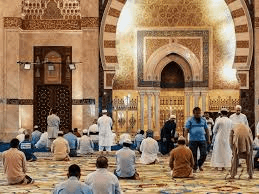 As we move through February, many members of our school community are preparing for Ramadan, the holiest month in the Islamic calendar. In 2026, Ramadan is expected to begin on the evening of Wednesday, 18th February, continuing until mid-March.
During this time, Muslim students and staff will join millions of people worldwide in a journey of spiritual growth, self-discipline, and community.
What is Ramadan?
Ramadan is the ninth month of the Islamic lunar calendar. It commemorates the month in which the Qur’an(the holy book of Islam) was first revealed to the Prophet Muhammad.
For many, the most visible part of Ramadan is Sawm (fasting), which is one of the Five Pillars of Islam. This involves abstaining from all food and drink (including water) from dawn until sunset.
Why is it Observed?
While the fast can be physically demanding, the purpose behind it is deeply spiritual. Ramadan is a time to:
- Practice Self-Discipline: By choosing to go without daily comforts, observers strengthen their willpower and focus on their faith.
- Build Empathy: Feeling hunger firsthand serves as a powerful reminder of the struggles faced by those less fortunate, encouraging charity (Zakat) and kindness.
- Focus on Gratitude: Taking a break from the “busy-ness” of life allows for reflection on blessings that are often taken for granted.
- Community & Connection: Breaking the fast at sunset (known as Iftar) is usually a communal event, bringing families and friends together.
Supporting Our School Community
Because the Islamic calendar is lunar, the dates of Ramadan shift by about 11 days each year. This year, the fasts take place during the school day, which can mean some students and staff may feel more tired than usual, especially in the afternoons.
How you can help:
- Be Mindful: If you notice a friend or teacher isn’t eating at lunch, they are likely fasting. You don’t need to apologise for eating in front of them, but being aware of their energy levels is a kind gesture.
- Learn the Greeting: You can wish those observing a “Ramadan Mubarak” (Blessed Ramadan) or “Ramadan Kareem” (Generous Ramadan).
- Quiet Spaces: Our school has designated Room 2 as a quiet space during lunch for those who wish to rest or pray.
Ramadan concludes with a three-day celebration called Eid al-Fitr, the “Festival of Breaking the Fast.” Eid al‑Fitr is a joyful festival marking the end of Ramadan, a month of fasting and reflection. Families gather for special prayers, share festive meals, and give charity to support others. It’s a celebration of gratitude, community, and kindness enjoyed by Muslims around the world.
Eid Mubarak to all who are celebrating—wishing our school community joy, kindness, and togetherness